InsureCow × Blade Labs: a cattle Mudarabah in Bangladesh, with takaful cover.
Investors want to fund farms. Farmers need the money. We built the trust in between. InsureCow runs the sheds, Blade Labs puts up the capital, and the ZeroH Mudarabah app keeps a record both sides can check.
- Capital from Blade Labs
- $100,000
- as Rab al-Mal
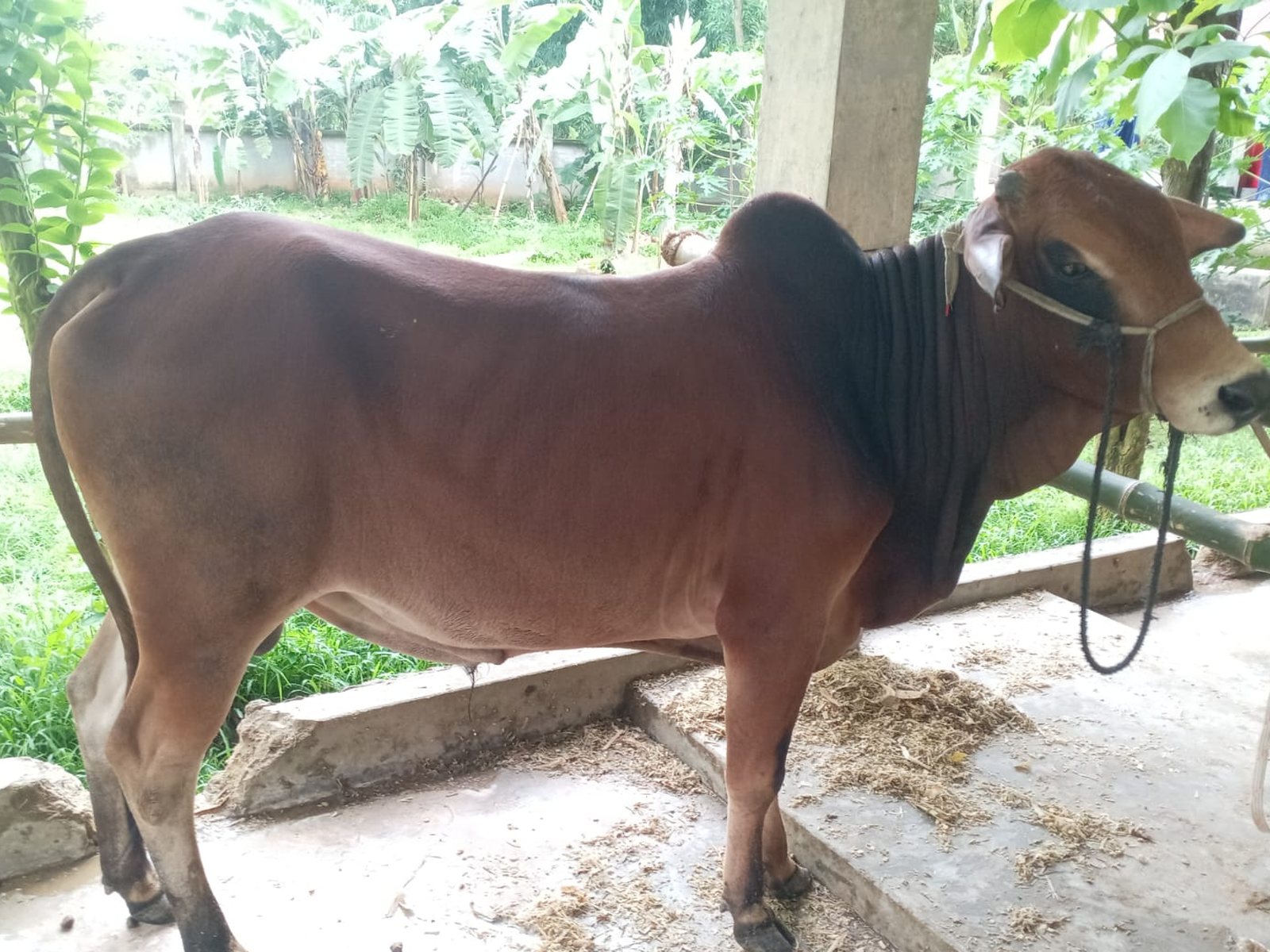
- Cows in the herd
- 22
- each with its own record
- Obligations tracked
- 41
- from the signed contract
- Profit split
- 70 / 30
- investor / operator
Fourteen centuries in ninety seconds.
From the first partnerships of capital and work, through the first Islamic banks and AAOIFI, to 22 cows in a shed in Bangladesh. Then the app: the weekly report, Ask Ali, the data protection officer and the Shariah workflow.
Narrated, with sound · 1:30
One brings the capital, one brings the work.
Mudarabah is one of the oldest partnerships in Islamic finance: an investor funds the work, an operator does it, and they share the profit. Our pilot runs on the same agreement, with a record both partners can check.
Signed 16 March 2026. In the fattening stage.
Follow the partnership from the Shariah board’s approval to the day the profit is shared. The highlighted stage is the pilot’s status.
Before signing
DoneThe Shariah board approves
The board checks the structure for riba, gharar and maysir, and sets its conditions.
16 March 2026
DoneBoth partners sign
Blade Labs commits $100,000 as Rab al-Mal; InsureCow signs as Mudarib. The app turns the contract into 41 obligations.
Setup
DoneCows bought, registered, insured
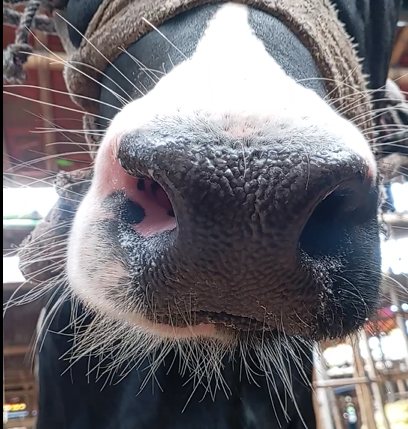
Blade Labs approves each purchase. Every cow is registered by its muzzle print and enrolled with a local takaful provider.
Fattening
Pilot statusThe herd fattens
Farmers log weights, vaccinations and vet checks in the app, and report any incident within 24 hours.
Next
Sale
Blade Labs approves the sale plan. Each sale goes into the app with its price and receipt.
Last
Settlement
Farmers are paid first, the Shariah board certifies the profit, and both sides confirm the transfer.
Four parties, one agreement.
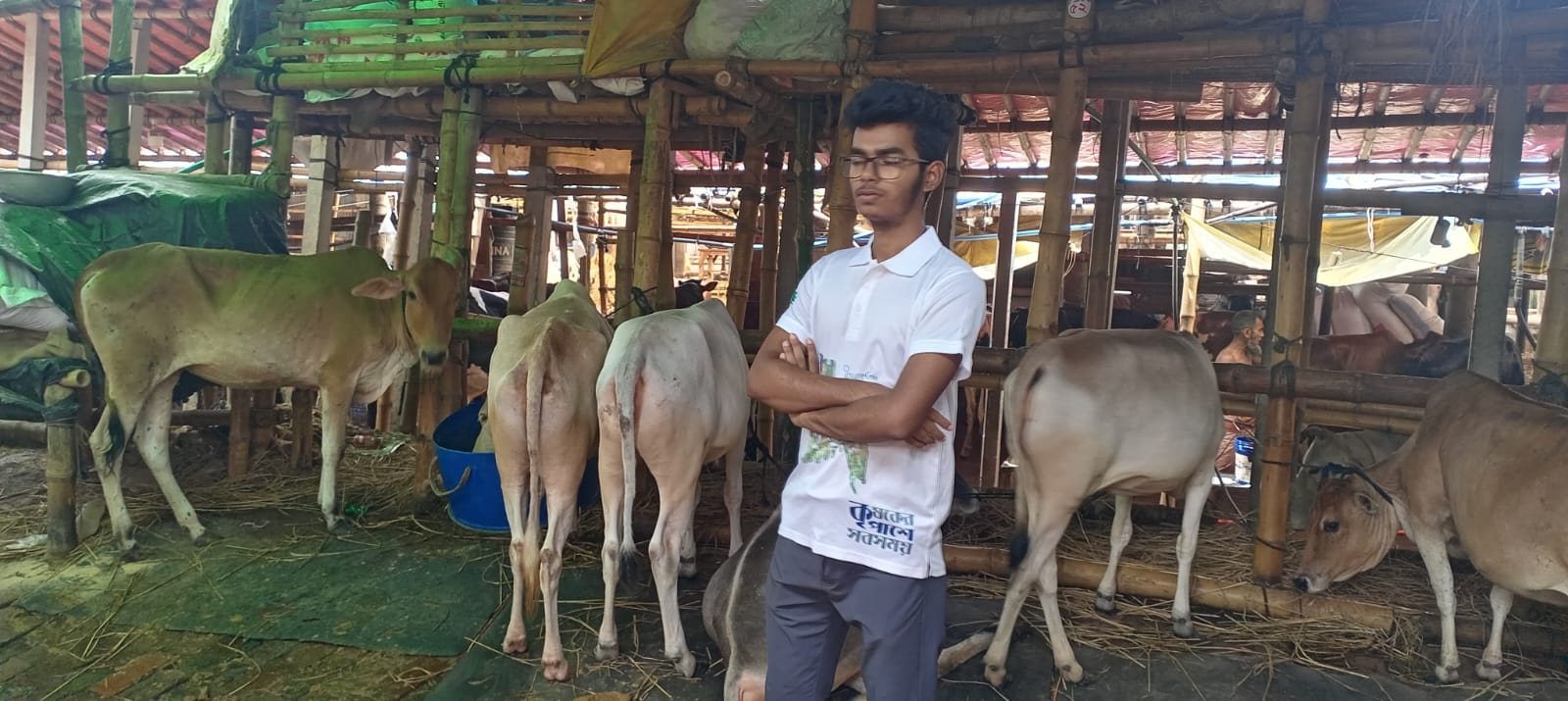
Local farmers do the daily work under contracts the investor approves, and they are paid before any profit is shared. Everyone else has a role in the contract, and the app holds each of them to it.
Blade Labs
Provides all the capital and approves purchases and sales. It carries a loss of capital unless the operator was negligent.
InsureCow
Part of AgriCore. Buys the cows, contracts local farmers, runs the sheds and sells at market. It earns its share only from profit.
The Shariah board
Approves the structure before signing, reviews each quarter and certifies the profit before anyone is paid.
A local takaful provider
Covers enrolled cows for specified events, such as death from disease or accident, under its terms. It does not guarantee the capital.
Every cow carries an ID it cannot lose.
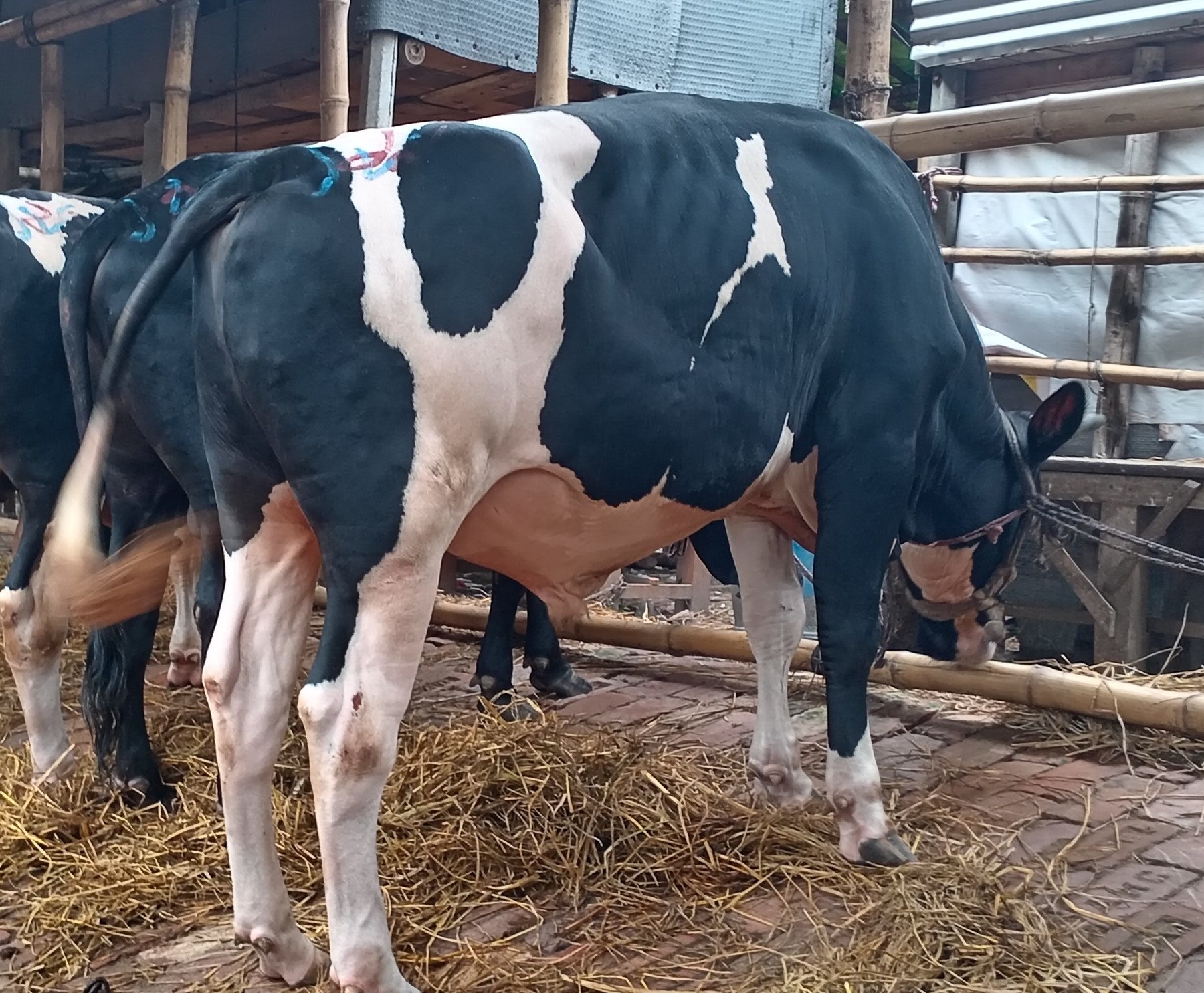
A fattening cycle’s outcome depends on livestock sale proceeds and operating costs. It can generate a profit or a loss. Foot-and-mouth disease, lumpy skin disease or a cyclone can take animals within a week.
InsureCow registers each cow by its muzzle print, as unique as a fingerprint, and enrolls it with a local takaful provider. Enrolled cattle have takaful cover for specified events, subject to the provider’s terms, exclusions and claims assessment. Takaful does not guarantee investment capital or returns. If a cow dies, a vet confirms the cause before the provider assesses the claim.
Four stages, and a gate between each.
A cycle runs from buying young cows to selling them fattened, and its length depends on each animal’s readiness. Each stage opens only when the one before it is signed off.
Capital and cattle, under one contract.
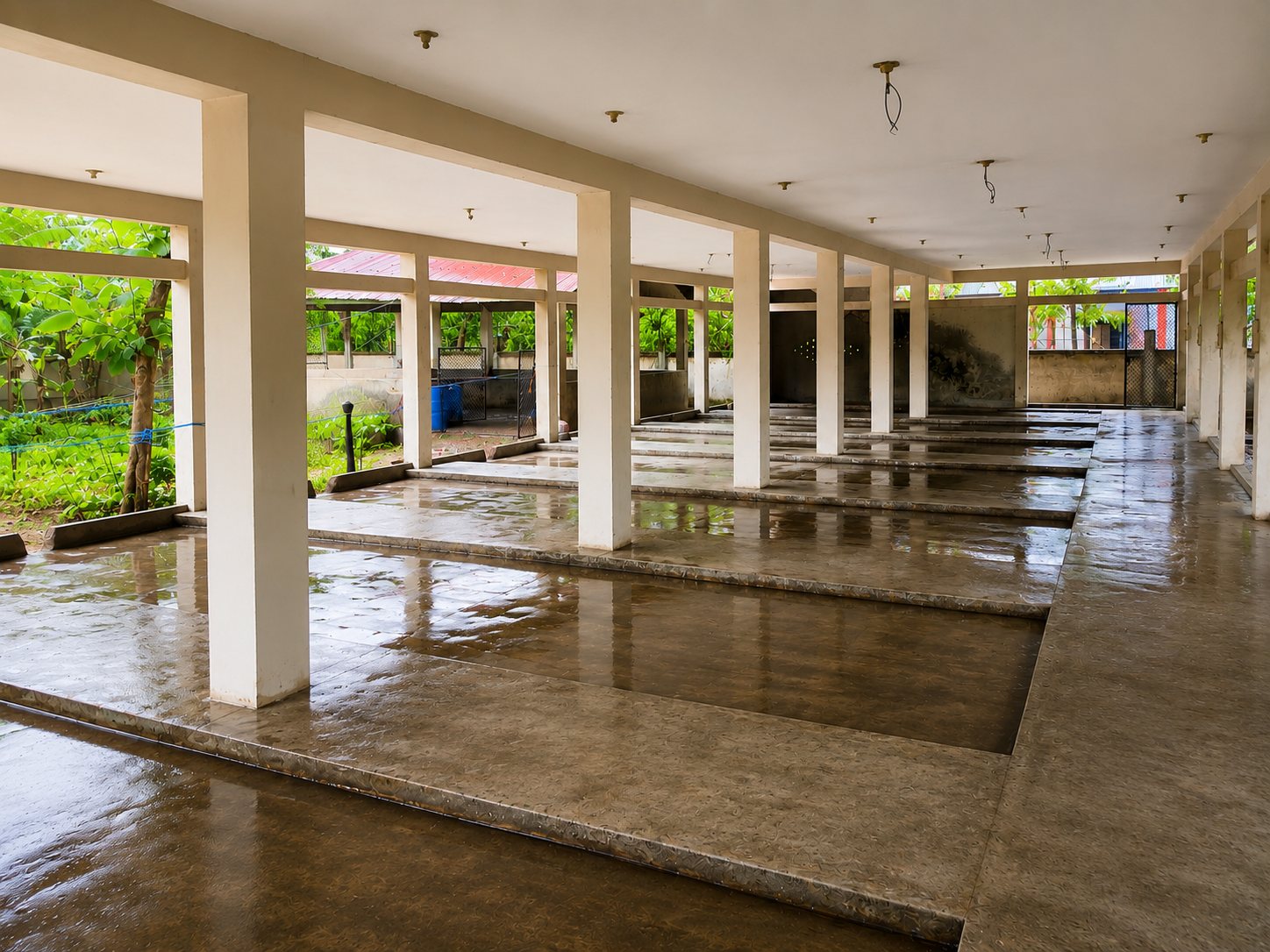
This pilot connects Blade Labs’ capital with InsureCow’s cattle operation in Bangladesh through a Mudarabah contract. ZeroH records the contract’s obligations and the evidence available to each role.
A Mudarabah lets an investor fund the work without lending at interest, and the app gives that investor a reason to trust it from the other side of the world.
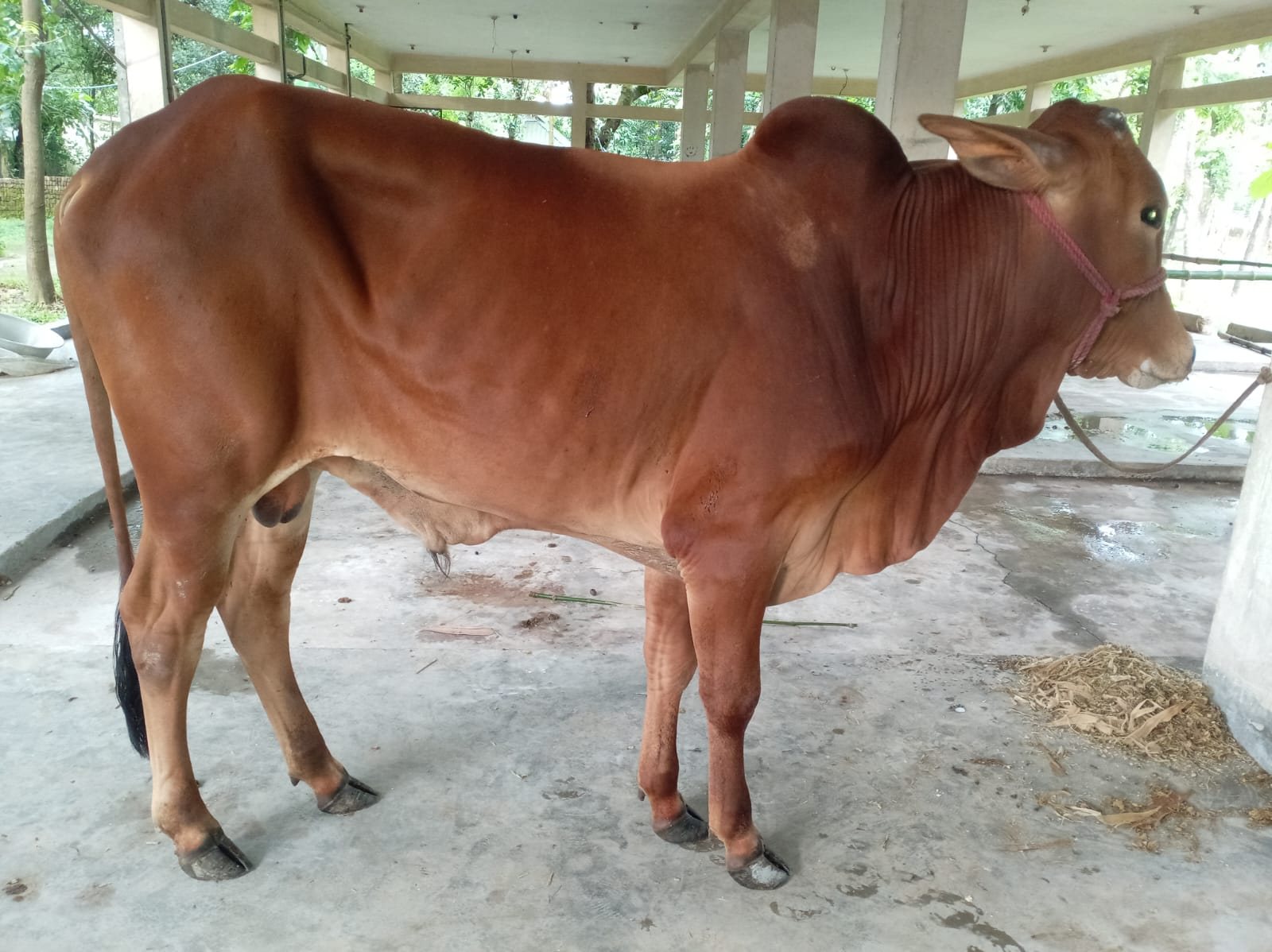
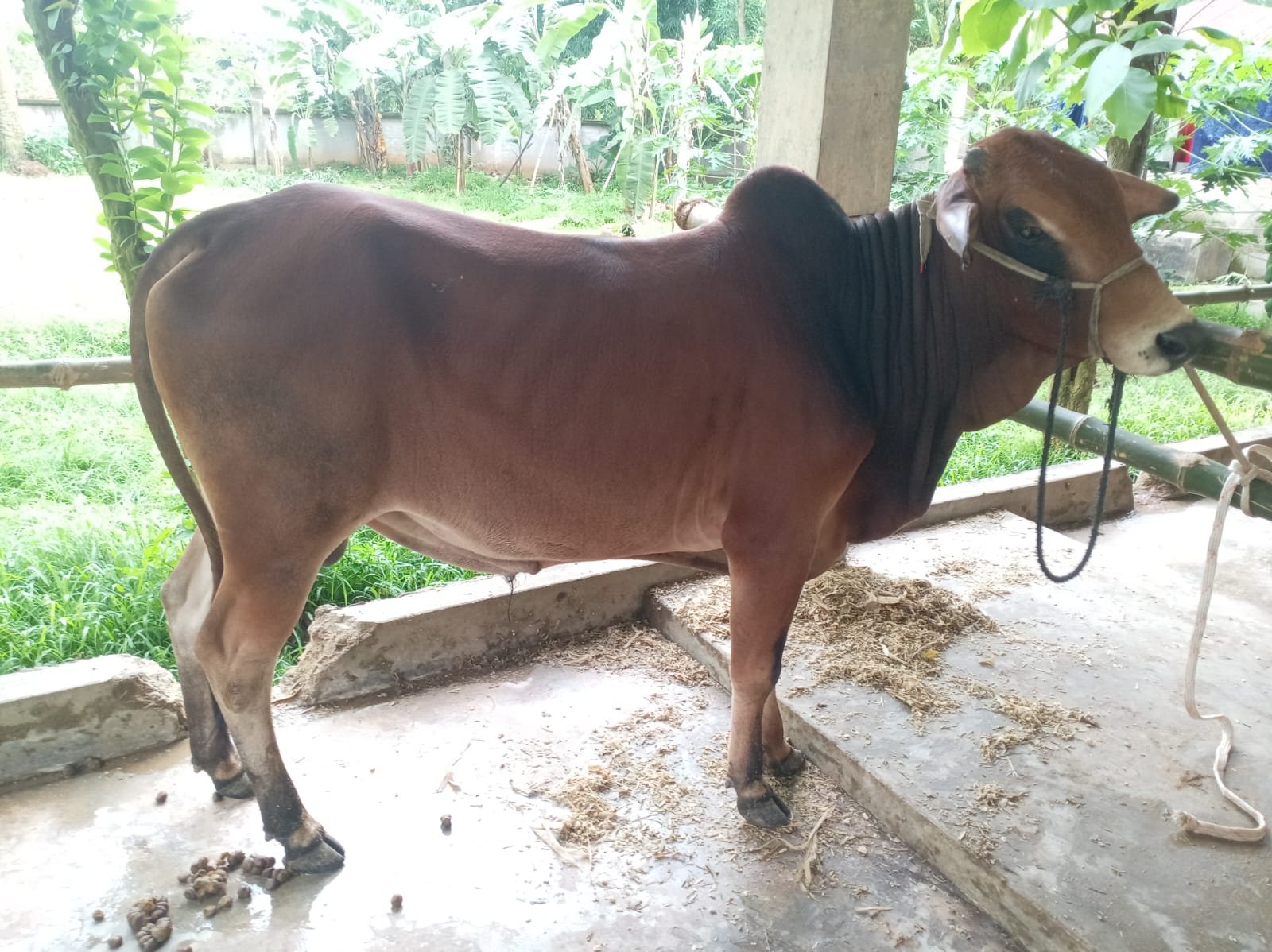
22 cows, each with its own record.
Every cow has a page in the app: its muzzle print, its weights, its vaccinations and the obligations that come with it.
The InsureCow pilot: common questions
What is the InsureCow pilot?
Blade Labs invested $100,000 as Rab al-Mal (the capital provider) in a cattle-fattening Mudarabah run by InsureCow as Mudarib (the operator) in Bangladesh, on a 70/30 investor/operator profit split. The contract, with 41 tracked obligations, was signed on 16 March 2026, and the herd of 22 cows is in its fattening phase. ZeroH records every step.
Who is InsureCow?
InsureCow, part of AgriCore, is a Bangladesh cattle-insurance and identification company whose muzzle-print technology identifies each animal like a fingerprint. In the pilot it is the Mudarib: it buys the cows, contracts local farmers, runs the sheds and sells at market, and earns its share only from profit.
Who bears the risk?
Blade Labs, as Rab al-Mal, bears a loss of capital unless InsureCow was negligent or broke the contract. Enrolled cattle have takaful cover for specified events, such as death from disease or accident, subject to the provider’s terms, exclusions and claims assessment; takaful does not guarantee capital or returns. Farmers are paid before any profit is shared.
How long is a cycle?
It depends on each animal’s readiness, in four gated stages: setup, fattening, sale and settlement. Each stage opens only when the one before it is signed off, and the Shariah board certifies the profit before anyone is paid.
Why Bangladesh?
This pilot connects Blade Labs’ capital with InsureCow’s cattle operation in Bangladesh through a Mudarabah contract. ZeroH records the contract’s obligations and the evidence available to each role. A Mudarabah funds the work without interest, and the app gives a distant investor a reason to trust it.
Run the next farm on the same app.
Every cow, receipt and obligation of the InsureCow pilot runs in the Mudarabah app. It is ready for the next farm operators and institutional investors, and the demo shows all of it with sample data.
Capital is at risk. Returns are not guaranteed, and investors may lose some or all of their investment. Takaful covers specified risks under its terms; it does not guarantee capital or profit. This page provides product information, not investment advice. Obtain independent financial and Shariah advice before committing funds.